
240-744-1600

 Stars
StarsWhat Happens When a Nursing Home Fails to Prevent Wandering or Elopement?
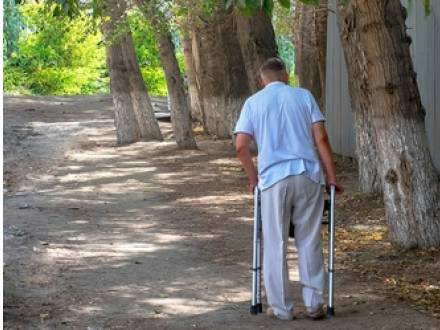 When a nursing home fails to prevent wandering or elopement, residents can face serious safety risks. As of 2026, facilities are expected to monitor vulnerable residents and take reasonable steps to keep them safe. When they do not, families may have the right to pursue an abuse or neglect case.
If your loved one was injured because of a negligent nursing home, Serafini Law can help. Our Baltimore County, MD nursing home abuse lawyer helps families seek answers and accountability when care standards fall short.
What Is Wandering or Elopement in a Nursing Home?
Wandering happens when a resident moves about without proper supervision and may become confused or lost. Elopement is more serious and usually refers to a resident leaving a facility without staff noticing.
Many residents who wander live with memory conditions such as dementia, which can affect judgment and awareness. Because of this, nursing homes are expected to assess each resident’s risk and create care plans designed to prevent unsafe situations.
Are Nursing Homes Responsible for Preventing Elopement?
Nursing homes have a legal duty to provide a safe environment. Federal regulations require facilities to ensure that residents receive proper supervision and assistive devices to prevent accidents.
Under 42 CFR § 483.25, facilities must take reasonable steps to protect residents from avoidable harm. Maryland law also allows families to pursue claims when neglect leads to injury.
Failing to monitor exits, ignoring known risks, or operating with too few staff members may point to negligence.
What Can Happen if a Nursing Home Resident Wanders Away?
When a resident wanders away from a nursing home without supervision, the risks can be serious. Many residents are not able to recognize danger or ask for help, which can quickly turn a preventable situation into a medical emergency.
A resident who leaves the facility may suffer a fall that leads to broken bones or a head injury. Exposure to extreme heat or cold can cause life-threatening conditions, especially for older adults. Some residents may become dehydrated or miss important medications while they are unsupervised. Others face the danger of traffic if they walk near busy roads.
Beyond the physical risks, these incidents can also cause emotional distress and confusion for the resident. Even a short period without supervision can place a vulnerable person in harm’s way. That’s why nursing homes are expected to take strong precautions to prevent wandering and elopement.
What Warning Signs Might Suggest a Nursing Home Facility Is Not Doing Enough?
Families often notice small issues before a serious incident occurs. Paying attention to these signs may help prevent harm.
You should watch for:
- Broken alarms or unlocked exits
- Staff who appear overwhelmed or unavailable
- Residents wandering without redirection
- Poor communication about safety concerns
- Missing personal items or unexplained injuries
If something feels wrong, it is worth asking questions and documenting your concerns.
Can a Nursing Home Be Held Liable for Wandering Injuries?
A facility may be held responsible if it failed to take reasonable steps to prevent a foreseeable risk. Many elopement cases involve residents who were already identified as having a high risk of wandering.
Liability often depends on whether the facility completed proper assessments and followed the resident’s care plan. It also depends on whether the nursing home provided adequate supervision. Security measures such as door alarms, monitoring systems, and trained staff are commonly expected safeguards.
When these protections are missing or ignored, families may have grounds for a claim.
What Compensation May Be Available After an Elopement Incident?
If negligence causes harm, families may be able to recover compensation for related losses. This can include medical expenses, rehabilitation costs, and other damages connected to the incident.
Maryland generally applies a three-year statute of limitations for many personal injury claims under Md. Code, Courts and Judicial Proceedings § 5-101. Acting promptly can help preserve evidence and protect your ability to file a claim.
What Should You Do if Your Loved One Wanders From a Facility?
Taking action quickly can help protect your loved one and clarify what happened.
You should consider:
- Requesting a full explanation from the facility
- Documenting injuries and conditions with photos
- Asking for copies of medical and incident reports
- Reporting concerns to the appropriate state agency
- Speaking with an attorney about your options
Early action often makes it easier to gather evidence while details are still fresh.
Schedule a Free Consultation With Our Catonsville, MD Nursing Home Abuse Attorney
When a nursing home fails to protect a vulnerable resident, families deserve clear answers. At Serafini Law, we help families understand their rights and pursue accountability when care standards are not met.
If your loved one was harmed after wandering or eloping from a facility, contact our Baltimore County, MD nursing home abuse lawyer by calling 240-744-1600 to discuss your options. We answer calls 24/7 and handle cases on a contingency fee basis.

Free Consultations240-744-1600


